The cultural significance of gambling A deep dive into its historical impact
The Origins of Gambling
The practice of gambling dates back thousands of years, with evidence of its existence in ancient civilizations such as Mesopotamia, China, and Rome. Archaeologists have discovered artifacts, such as dice and betting tokens, that reveal its long-standing role in human culture. In these early societies, gambling was often intertwined with religious rituals, serving as a way to seek divine favor or determine fate. This blend of spirituality and chance set the foundation for gambling’s complex cultural significance. Today, platforms like Slotzania continue this legacy by offering a modern twist on traditional gaming experiences.

In ancient China, for instance, the game of chance known as “Keno” was played as early as 205 BC. It was not merely for entertainment; it served as a form of taxation, helping to fund governmental initiatives. Similarly, in Rome, gambling was popular among citizens and even embraced by emperors, showcasing how deeply embedded it was in the social fabric of life. Through these examples, we see that gambling has always held a significant place, reflecting societal values and norms.
The evolution of gambling continued throughout the Middle Ages, where it became a popular pastime among the nobility. Cards were introduced, leading to games that evolved into modern-day poker and blackjack. These developments underscored a shift where gambling transitioned from a religious and ritualistic practice to a secular activity, illustrating its adaptability and the varied roles it can play across cultures and epochs.
The Role of Gambling in Society
Gambling has served various roles throughout history, influencing social structures and relationships. In many cultures, gambling is a means of socializing and building community ties. For example, in Native American cultures, tribal gambling has been a significant economic resource, often helping to fund community projects and cultural preservation. This aspect highlights how gambling can function not just as a means of personal gain but also as a communal activity that fosters solidarity.
Moreover, gambling often reflects societal attitudes toward risk and chance. In many societies, it embodies the balance between fortune and misfortune, emphasizing themes of luck and fate. This connection has made gambling a topic of fascination in literature and art, from Shakespearean plays to modern cinema, illustrating its profound impact on cultural narratives. Such portrayals often romanticize the thrill and danger of gambling, perpetuating its allure across generations.
Additionally, the regulation and perception of gambling have varied widely, with some societies embracing it and others condemning it. This inconsistency has led to a rich tapestry of gambling laws and cultural norms that reflect broader societal values. In some instances, prohibitions on gambling have been rooted in moral or religious beliefs, while in others, gambling has been seen as a legitimate form of entertainment, showcasing the ongoing debates surrounding its cultural significance.
The Economic Impact of Gambling
The economic implications of gambling are substantial and multifaceted. Legalized gambling has become a significant revenue source for many governments, particularly through taxes on casinos and sports betting. This influx of revenue can lead to enhanced public services, infrastructure improvements, and job creation. For instance, cities like Las Vegas and Atlantic City have transformed economically, becoming bustling hubs of tourism and entertainment due largely to their gambling industries.
However, the economic benefits of gambling come with challenges. The rise of gambling can also lead to issues such as addiction and socio-economic disparity. In many cases, the most vulnerable populations are disproportionately affected by gambling-related problems. This duality presents a complex picture of gambling’s role in the economy, making it a topic of ongoing debate among policymakers, researchers, and community leaders.
As online gambling has surged in popularity, particularly in the wake of technological advancements, its economic impact has grown even further. Virtual platforms have expanded access to gambling, allowing individuals to participate from the comfort of their homes. This accessibility presents new economic opportunities, but it also raises questions about regulation, player protection, and the potential for increased gambling-related harm.
The Psychological and Emotional Aspects of Gambling
Gambling is not merely a financial activity; it deeply engages psychological and emotional dimensions. For many, the thrill of betting can stimulate a dopamine response similar to that experienced through other forms of risk-taking. This excitement can lead to a cycle of behavior where individuals continuously chase the high of winning, often leading to problematic gambling habits. Understanding this psychological aspect is crucial in addressing gambling addiction and promoting responsible gaming practices.
Additionally, gambling can serve as an escape from reality for many individuals. People often turn to gambling as a means to cope with stress, anxiety, or other life challenges. This reliance on gambling for emotional relief can create a complex relationship, where the initial thrill transforms into dependence, often exacerbating underlying issues. Mental health professionals increasingly recognize the need for integrated approaches that address both the psychological and financial aspects of gambling addiction.
Moreover, the societal stigma surrounding gambling can further complicate these emotional dynamics. Many individuals who struggle with gambling-related issues may feel isolated or ashamed, deterring them from seeking help. This stigma often perpetuates the cycle of addiction, highlighting the need for greater awareness and understanding of gambling’s psychological implications. Culturally sensitive approaches to treatment can foster an environment where individuals feel more comfortable discussing their challenges and seeking support.
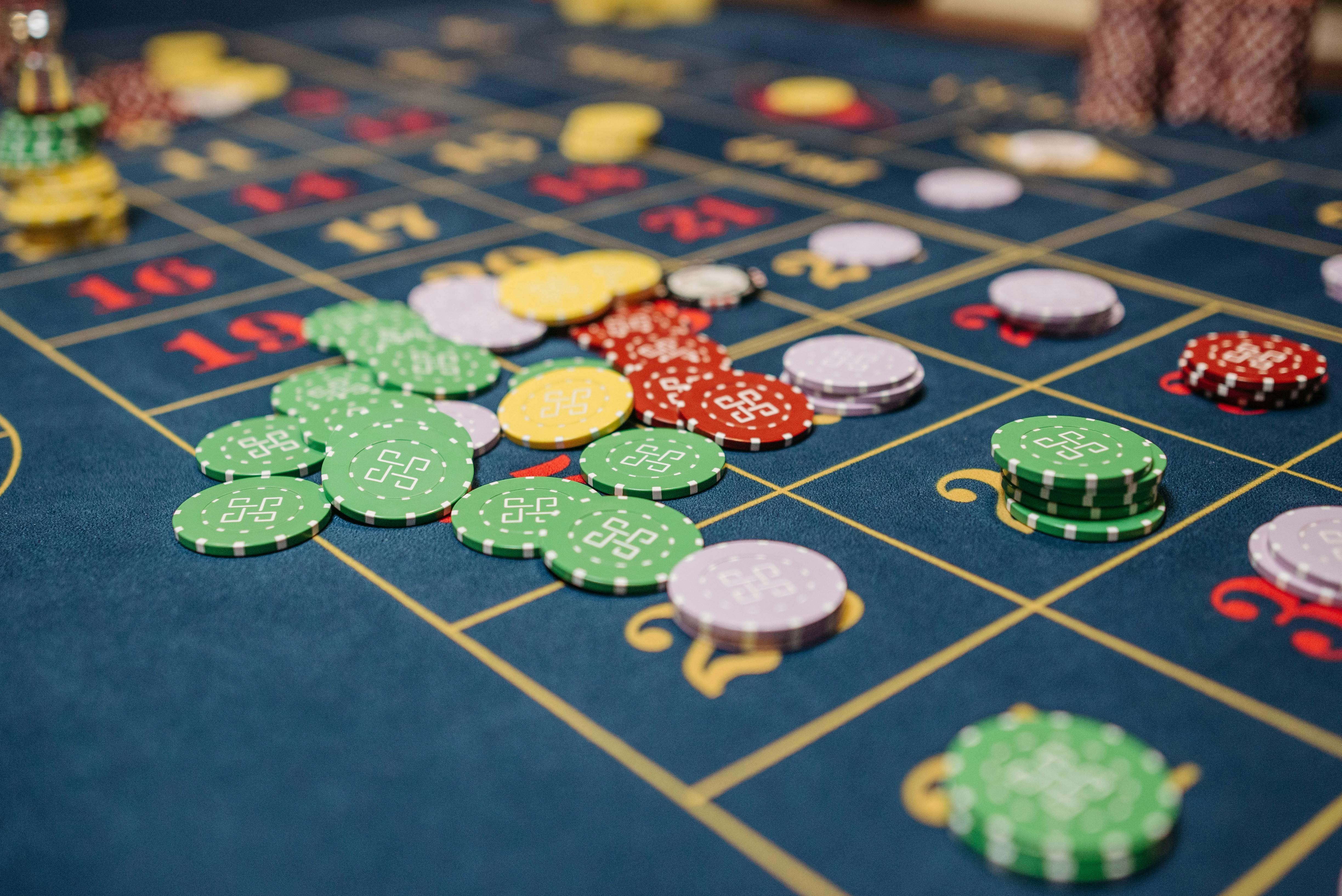
Slotzania: A Modern Perspective on Gambling
In contemporary society, platforms like Slotzania have emerged, representing the evolution of gambling into the digital age. Established in 2026, Slotzania showcases a vast array of over 3,000 games, including slots, live tables, and crash titles, catering to diverse player preferences. This online casino model reflects the growing trend of digital gambling, providing users with convenience, accessibility, and an engaging gaming experience.
Slotzania emphasizes player protection and responsible gaming, ensuring that users can enjoy their gambling experience in a safe environment. Features such as flexible welcome bonuses and fast crypto-friendly payments illustrate a modern approach that balances entertainment with user experience. Additionally, 24/7 customer support highlights a commitment to addressing player needs and concerns promptly, reinforcing a supportive community atmosphere.
As gambling continues to evolve, platforms like Slotzania play a significant role in shaping the future of gaming. By embracing innovation while prioritizing player welfare, such websites contribute to a more nuanced understanding of gambling’s cultural significance in today’s society. They not only reflect changing attitudes but also actively participate in dialogues surrounding responsible gambling, ensuring that the rich tapestry of gambling continues to develop in a positive direction.
Leave a Reply