The evolution of gambling A journey through history
Ancient Beginnings of Gambling
The origins of gambling can be traced back to ancient civilizations, where games of chance were woven into the fabric of society. Evidence suggests that as early as 3000 BC, the Chinese were playing games that involved the use of dice. Similarly, artifacts from ancient Rome and Greece reveal that betting on various competitions and events was commonplace. These early forms of gambling often served as social activities, bonding communities over shared excitement and risk. Today, players can discover the best new casinos online that capitalize on this rich history.
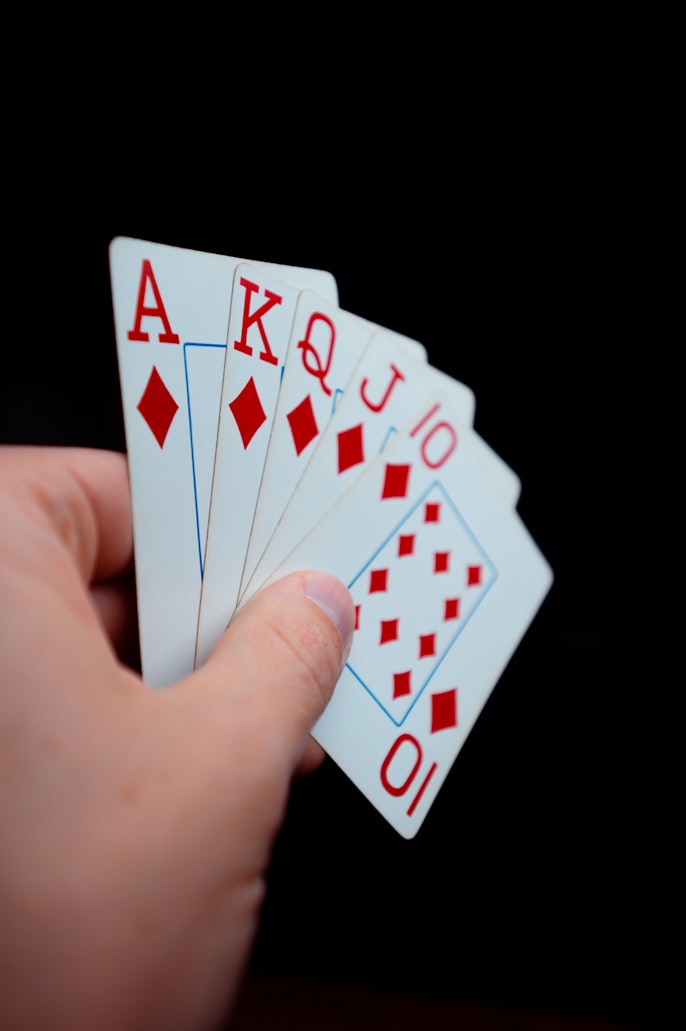
Gambling evolved alongside societal changes, reflecting the values and cultures of the times. In the Middle Ages, dice games were widely popular among nobility, while betting on horse races became a prominent pastime for the masses. This period laid the groundwork for more organized forms of gambling that would emerge in later centuries, including lotteries and card games.
The Rise of Casinos
The modern concept of casinos began to take shape in the 17th century, particularly in Italy, where the first official gambling houses were established. These venues offered a variety of games, attracting both aristocrats and commoners. As gambling gained popularity in Europe, other countries began to embrace the idea, leading to the establishment of casinos across the continent.
The 19th century saw the proliferation of casinos in places like Monte Carlo, which became synonymous with luxury and high-stakes gambling. The allure of these establishments was not merely about the games but also the experience they offered—a blend of elegance, entertainment, and the thrill of potential riches. This period marked a significant transition in gambling, turning it into a mainstream attraction.
The Impact of Legislation
As gambling became more popular, governments recognized the need for regulation. The early 20th century brought about various laws aimed at curbing illegal gambling activities and protecting players. In many regions, this led to the establishment of state-run lotteries and regulated casinos, providing a legitimate avenue for gambling enthusiasts.
Legislation continues to shape the gambling landscape today, adapting to new trends and technologies. In recent years, many jurisdictions have embraced online gambling, recognizing its potential for economic growth and consumer engagement. This shift towards regulation not only enhances player safety but also ensures fair play in an industry that is constantly evolving.
The Digital Revolution and Online Gambling
The advent of the internet has transformed gambling as we know it. Since the late 1990s, online casinos have emerged, offering players the convenience of gambling from the comfort of their homes. This digital revolution has made it possible to access a vast array of games, from slots to live dealer experiences, all with just a few clicks.
Online gambling platforms often provide bonuses and promotions that enhance the user experience, attracting a diverse audience. As technology continues to advance, innovations such as mobile gaming and virtual reality are set to redefine how players engage with gambling in the future. The growth of online casinos highlights the ongoing evolution of gambling in an increasingly digital world.
Exploring the Future of Gambling
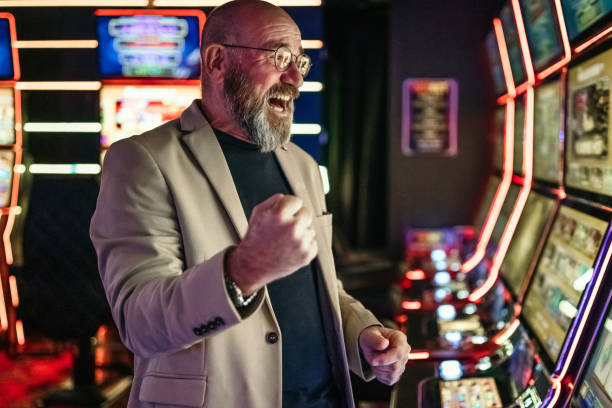
The future of gambling is poised to be both exciting and complex, marked by continuous innovation and adaptation. As regulations evolve and technology progresses, new forms of gambling will likely emerge, catering to changing consumer preferences. The integration of artificial intelligence and blockchain technology may enhance security and fairness, reshaping the player experience.
At the heart of this transformation is the ongoing dialogue about responsible gambling. As the industry grows, so does the importance of promoting safe practices to ensure that players can enjoy gambling without detrimental effects. Understanding this dynamic landscape will be crucial for both players and operators moving forward, as they navigate the intersection of tradition and modernity in the world of gambling.
Leave a Reply